ISO 15118-20 and bidirectional charging: what changes for charger makers
ISO 15118-20 is the second-generation vehicle-to-charger protocol. It adds bidirectional power transfer, mandatory TLS 1.3 and new control modes.
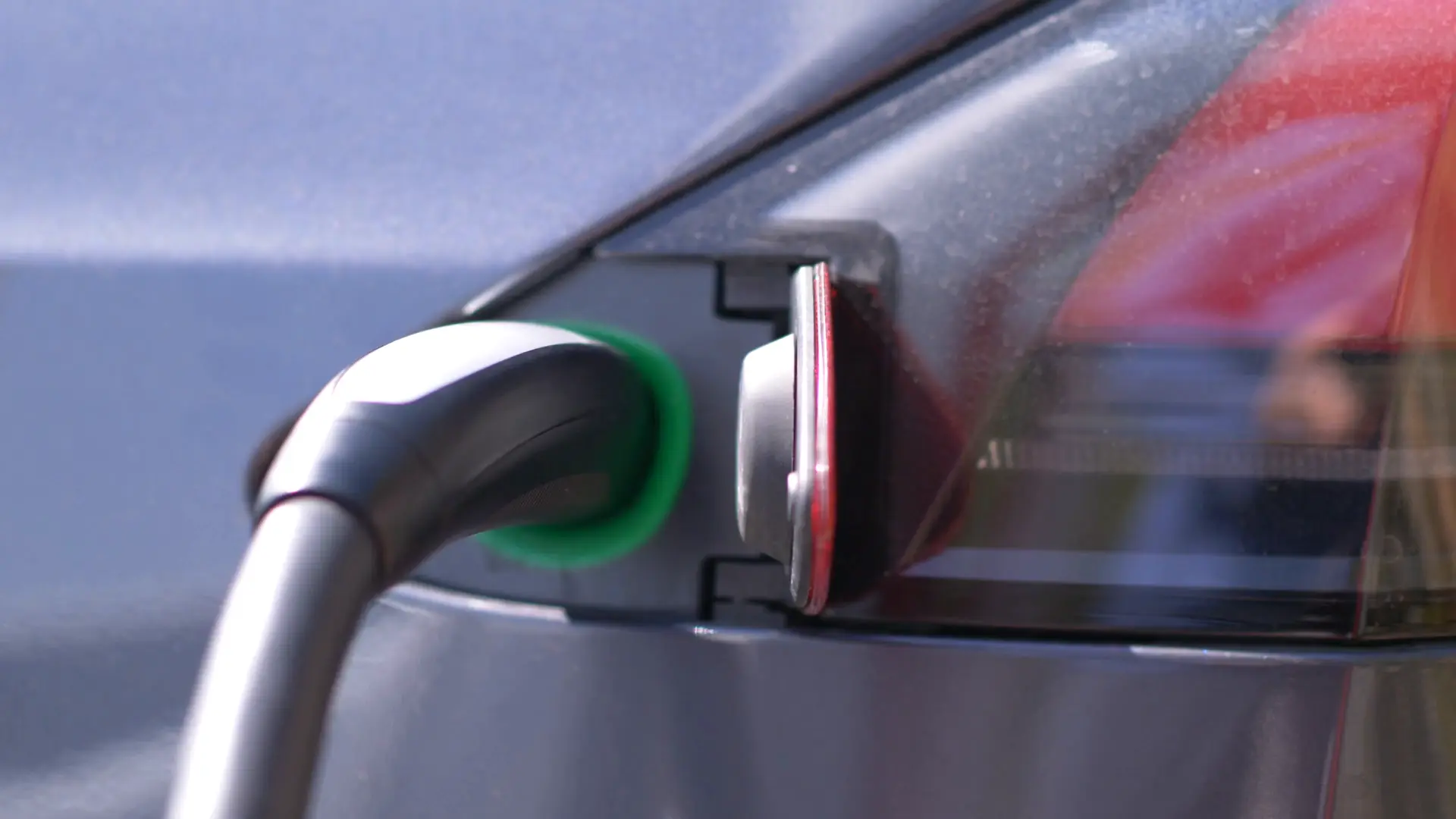
- 01ISO 15118-20 (2022) is the second generation of the ISO 15118 communication protocol.
- 02It supports bidirectional power transfer (BPT), the basis for V2G.
- 03TLS 1.3 is mandatory — there is no unencrypted session.
- 04Plug & Charge and external identification (cards, apps) are both supported.
- 05Plan interoperability testing against real vehicles, not only a simulator.
What ISO 15118-20 is
ISO 15118-20 defines the network and application protocol between an electric vehicle and its charger. It is the successor to ISO 15118-2, which most CCS chargers use today, and it was published by ISO in 2022.
The standard covers conductive AC and DC charging, wireless power transfer and automated connection devices such as pantographs.
The changes that matter for hardware and firmware
| Topic | ISO 15118-2 | ISO 15118-20 |
|---|---|---|
| Power direction | Charging only | Charging and discharging (BPT) |
| Transport security | TLS optional for card/app identification | TLS 1.3 mandatory |
| Control | Scheduled | Scheduled and dynamic |
| Energy transfer types | AC, DC | AC, DC, wireless, automated connection |
Bidirectional power transfer
BPT lets the vehicle export energy to the charger. A charger that offers BPT also has to meet the grid-connection rules of the market it is installed in — the converter behaves like a small generator.
Security is no longer optional
Every ISO 15118-20 session runs over TLS 1.3. Chargers need certificate handling, secure key storage and a process for certificate updates in the field.
Dynamic control
In dynamic mode the charger (or the backend behind it) can change power limits during the session, which supports load management at depots and grid services.
What to test before market launch
- Protocol conformance against the ISO 15118-20 message set and state machine.
- Interoperability with a range of production vehicles; implementations differ in timing and optional features.
- Grid connection of the discharging function under the target market's grid code.
- EMC and electrical safety of the complete charger, as for any charger.
Our laboratory network runs protocol and interoperability tests for GB/T, DIN 70121, ISO 15118, CHAdeMO and ChaoJi, and grid-connection tests for bidirectional converters.
Where industry groups fit
Industry associations such as CharIN organise testing events where vehicle and charger makers check interoperability before launch. These events complement, not replace, formal conformance testing.
FAQ
Is ISO 15118-20 backward compatible with ISO 15118-2?
No. They are different protocol versions. Chargers usually support both and negotiate the version at session start.
Does ISO 15118-20 require Plug & Charge?
No. Plug & Charge is supported, but external identification such as RFID cards or apps can still be used.
Is a V2G charger also a grid-connected generator?
When it discharges, yes. It must meet the grid-connection requirements of the market where it is installed.