GB/T 20234.4-2023 and GB/T 18487.1-2023: China’s high-power DC charging standards
A new connector part for up to 1500 V and 800 A, a revised conductive charging system standard, and a new CQC certification basis. What changed and what chargers need to retest.
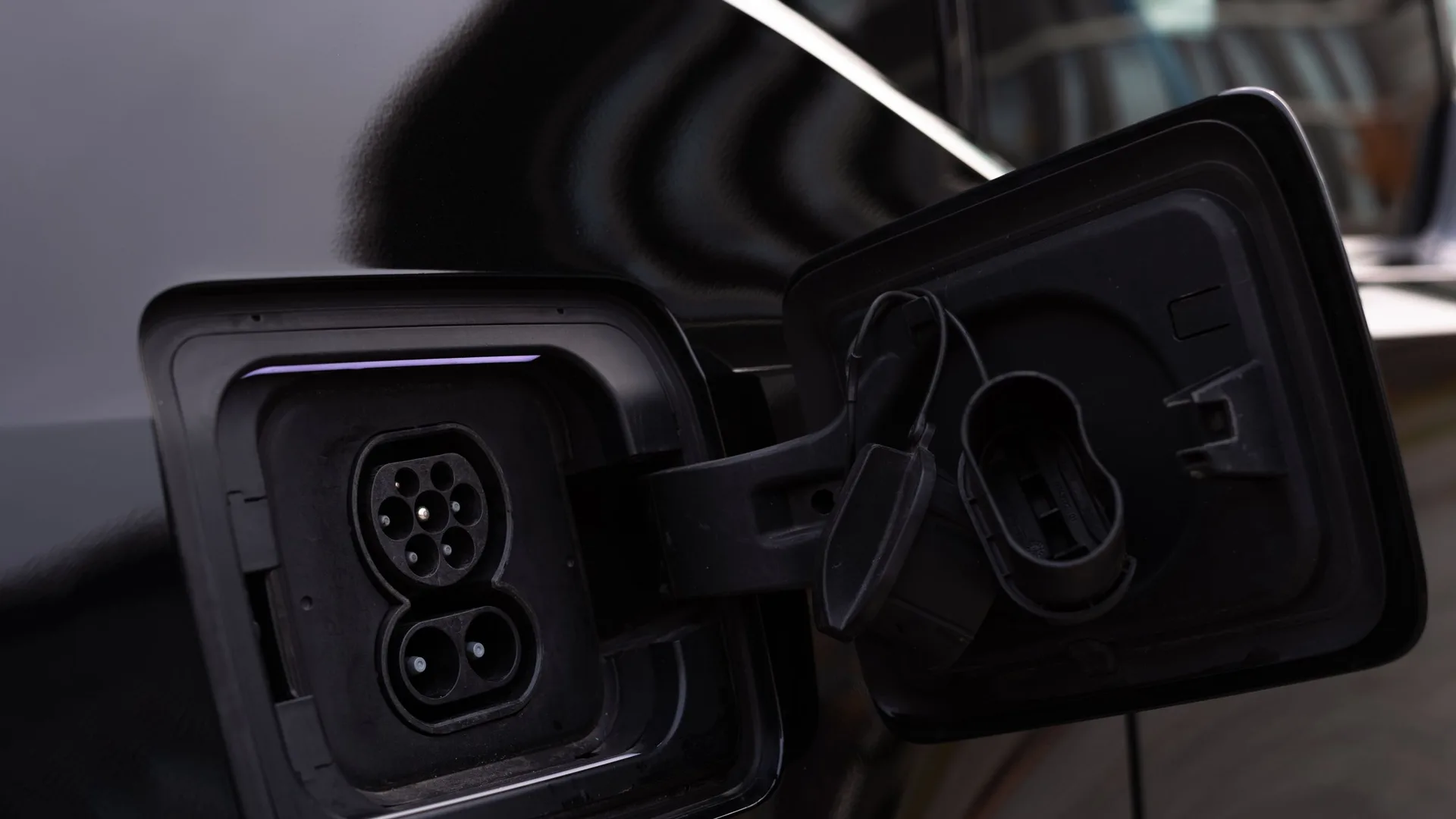
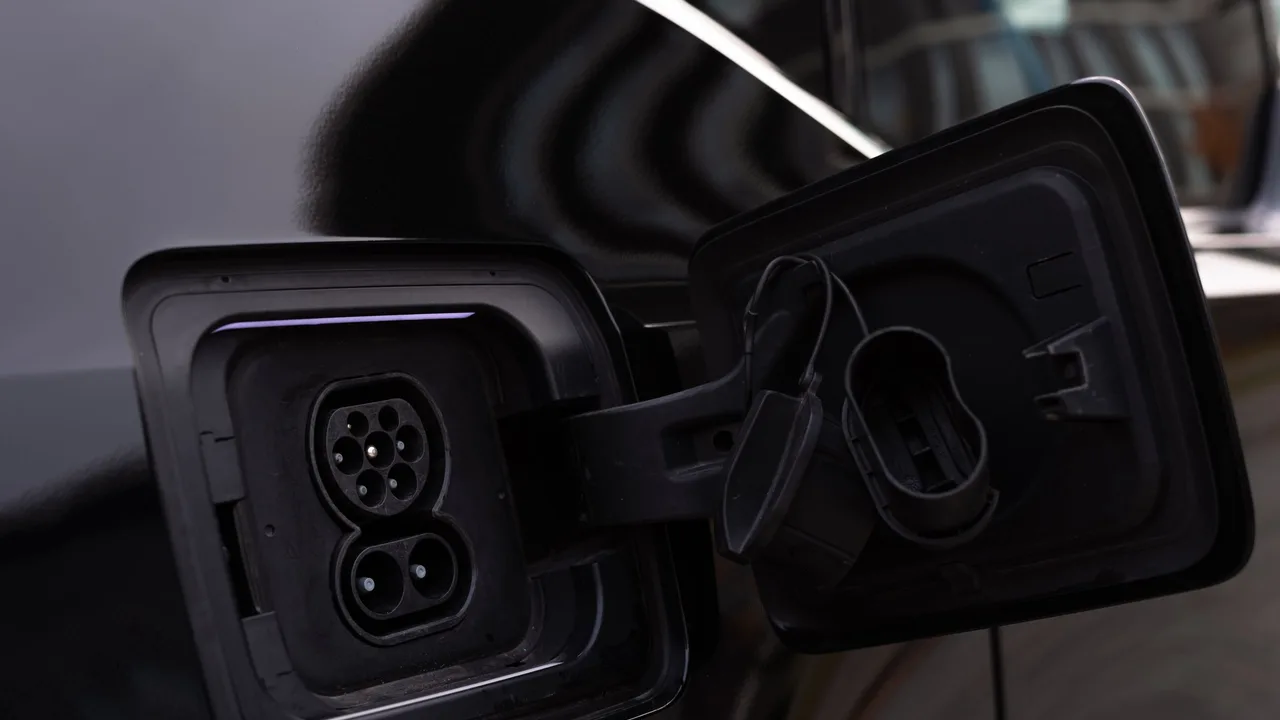
- 01GB/T 20234.4-2023 defines a high-power DC charging interface rated up to 1500 V and 800 A.
- 02It was published on 7 September 2023 with GB/T 18487.1-2023 and GB/T 27930-2023, effective 1 April 2024.
- 03GB/T 18487.1-2023 replaces the 2015 edition and adds bidirectional energy flow.
- 04It adds connection modes D and E and revises DC voltage and current classes.
- 05CQC now certifies to the 2023 editions; old certificates need an update with supplementary tests.
Three standards, one release
On 7 September 2023, three national standards for conductive charging were published together. They took effect on 1 April 2024.
| Standard | Subject |
|---|---|
| GB/T 18487.1-2023 | Conductive charging system — general requirements |
| GB/T 20234.4-2023 | Connection set — high-power DC charging interface |
| GB/T 27930-2023 | Digital communication between off-board charger and battery management system |
The work was led by NARI as part of China’s next-generation DC charging programme, often called ChaoJi.
GB/T 20234.4: the high-power interface
The existing DC interface in GB/T 20234.3 remains in use. Part 4 adds a separate interface for higher power:
| Parameter | GB/T 20234.4-2023 |
|---|---|
| Rated voltage | up to 1500 V DC |
| Rated current | up to 800 A DC |
| Adapters | Requirements included |
Adapter requirements matter for the transition period, when vehicles and chargers with different interfaces will coexist.
GB/T 18487.1-2023: what changed from 2015
- Bidirectional energy flow. New terms and requirements for charging, discharging and vehicle-grid interaction.
- Connection modes D and E. Added alongside the existing modes; the standard also introduces A and B sides of the connection.
- DC voltage and current classes. Revised to cover higher-power charging.
- Residual-current protection. Requirements raised.
Certification impact
CQC switched its certification basis for charging equipment to GB/T 18487.1-2023 and GB/T 27930-2023. Holders of certificates issued against the old editions need a standard update, with supplementary tests for the changed clauses.
Plan for the communication tests as well as the electrical ones. GB/T 27930-2023 changes the charger–vehicle protocol, and interoperability failures are a common cause of retesting.
A note on published power figures
Secondary sources often quote a ChaoJi system figure of up to 900 kW. We have not verified that figure against the standard text. Use the rated values in GB/T 20234.4 for design and test planning.
Our partner laboratory network supports DC charger testing with 3.75 MW of power capacity, 800 V systems and a 10 m EMC chamber rated for 2.5 MW AC/DC.
FAQ
Does GB/T 20234.4 replace GB/T 20234.3?
No. Part 3 remains the standard DC interface; Part 4 adds a separate high-power interface up to 1500 V and 800 A.
Is my old certificate still valid?
CQC now uses the 2023 editions. Certificates issued against the old editions need a standard update with supplementary tests.
Does GB/T 18487.1-2023 cover V2G?
It adds terms and requirements for bidirectional energy flow, including discharging and vehicle-grid interaction.
Sources
 CertificationChina CQC & CCC