Insights
Standards, policy and test know-how for new-energy products.
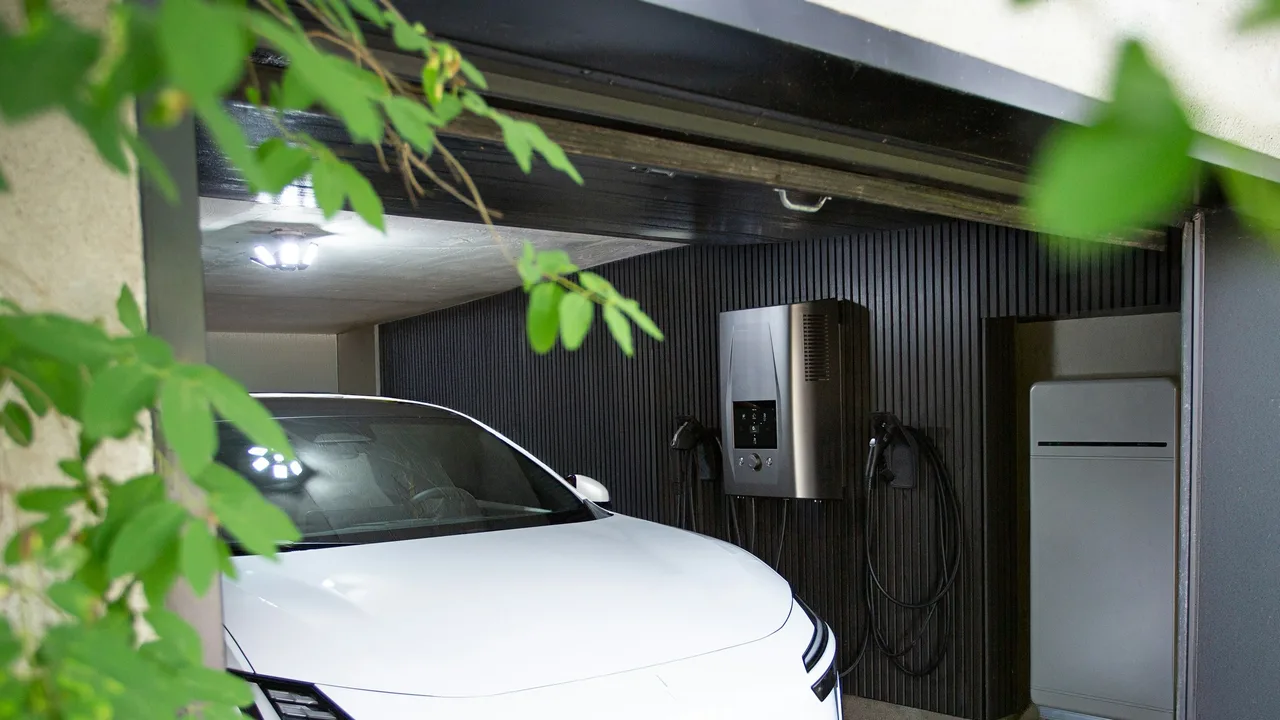 Bidirectional EV chargers (V2G/V2H): a certification roadmap for Europe and North America A V2G charger is a charger and a grid-connected generator in one box. That means product safety, a grid code, communication and — in Europe — registration of certificates. This guide sorts the standards by architecture and market, and lists what to test before you apply. Read
 -
 Megawatt charging for trucks: the MCS standards are here — what changes for charger makers With IEC TS 63379 published in January 2026 and IEC 61851-23-3 following, the Megawatt Charging System now has an international standard base. Up to 3 000 A and 1 250 V at the vehicle — 3.75 MW. What the standards cover, what is still open and what it takes to test an MCS charger.
 -
 Energy storage passes 100 GW a year: what BNEF’s 2026 outlook means for PCS and battery-system makers The world added 112 GW of energy storage in 2025 and BloombergNEF expects 158 GW in 2026. Storage reached 100 GW a year faster than solar or wind did. Here are the numbers behind the boom and what they mean for converters, battery systems and their certification.
 -
 EU-funded energy projects drop “high-risk” inverters: what suppliers need to know Since May 2026, EU money no longer goes to solar, wind and storage projects that rely on inverters from “high-risk” suppliers. The 1 November deadline stands, and a wider market restriction is being prepared through the Cybersecurity Act. Here is the timeline, the scope and what inverter and PCS makers can do now.
 -
 VDE-AR-N 4105:2026: what Germany’s new low-voltage grid code means for inverter, storage and charger makers Germany’s connection rule for generators and storage on the low-voltage grid has been revised for the first time since 2018. It brings new business — zero feed-in, commercial systems up to 500 kW, bidirectional charging — and a certificate deadline that every supplier to the German market has to plan for.
 -
 EU Cyber Resilience Act: reporting duties apply from 11 September 2026. What charger and inverter makers must do Since 11 September 2026, manufacturers must report actively exploited vulnerabilities and severe incidents within 24 hours, through ENISA’s Single Reporting Platform. The duty also covers products sold before the CRA fully applies.
 -
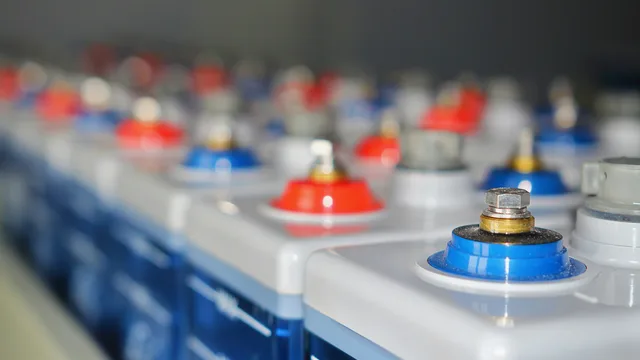 UPS testing guide: safety, EMC and performance under IEC 62040 and the new GB/T 7260.2-2026 China’s new UPS EMC standard took effect on 1 October 2026. Which editions apply in each market, what changed in EMC and performance testing, and how to prepare samples and documents.
 -
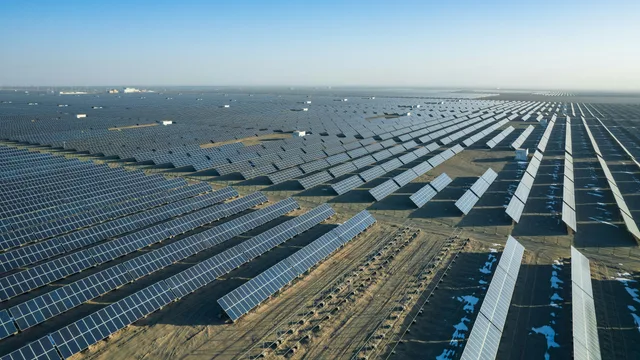 Solar overtakes coal in China’s installed capacity: reading the 2026 figures At the end of July 2026 China had 1,286 GW of solar against 1,285 GW of coal. New PV additions in the first half fell by about two-thirds from 2025, while storage grew 61%. What this means for inverter and PCS makers.
 -
 IEC 61000-6-3:2026: the residential emission standard adds 9–150 kHz and magnetic fields The fourth edition of the generic EMC emission standard for residential environments was published in April 2026. What changed, when Europe and China catch up, and which inverter and storage products are affected.
 -
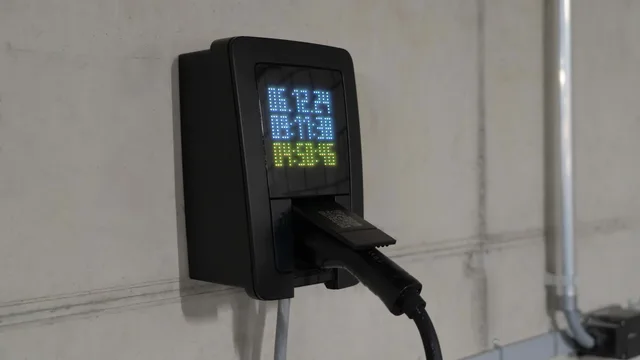 GB/T 18487.2-2026: the new EMC standard for EV chargers takes effect on 1 November China’s EMC standard for off-board charging equipment is replaced after nine years. A new safety floor in immunity tests, RCD checks, fixed test loads and a wider radiated range.
 -
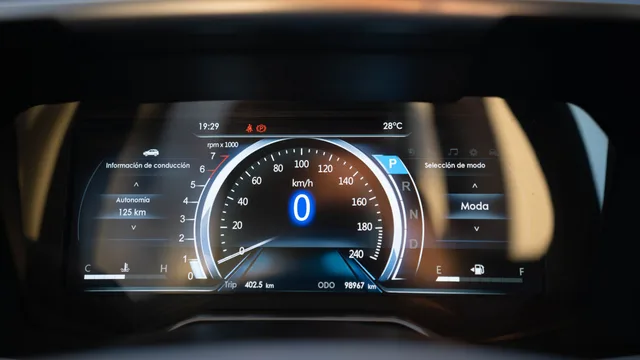 GB 34660-2026: China’s vehicle EMC standard gets 6 GHz immunity and ADAS failure criteria The mandatory road-vehicle EMC standard is replaced from 1 July 2027. Immunity now reaches 6 GHz, driver-assistance faults count as failures, and charging EMC moves to a separate standard.
 -
 GB/T 12668.2-2025: China’s drive rating standard moves to IEC 61800-2:2021 on 1 January 2027 After more than 20 years, China replaces its 2002 rating standard for AC drives. The new edition follows IEC 61800-2:2021, adds high-voltage drives and a method for evaluating products against the standard.
 -
 EU RED cybersecurity for connected chargers: EN 18031 now, the Cyber Resilience Act next Since 1 August 2025, connected radio equipment sold in the EU must meet RED cybersecurity requirements. What applies to EV chargers, where EN 18031 falls short, and how the rules change in 2027.
Tell us the product and the target market.
You get a test plan, timeline and quote within one working day.