








GB 47371-2026: China’s first mandatory safety standard for e-bike charging piles
From 1 April 2027, every e-bike charging pile sold or installed in China must meet GB 47371-2026: seven protection functions, over-temperature protection, V-0 flame-retardant materials and strict cut-off times. What the standard requires, how it fits the e-bike standard system and what manufacturers should test now.
- 01GB 47371-2026 was issued on 31 March 2026 and applies from 1 April 2027 — the first mandatory national standard for e-bike charging piles.
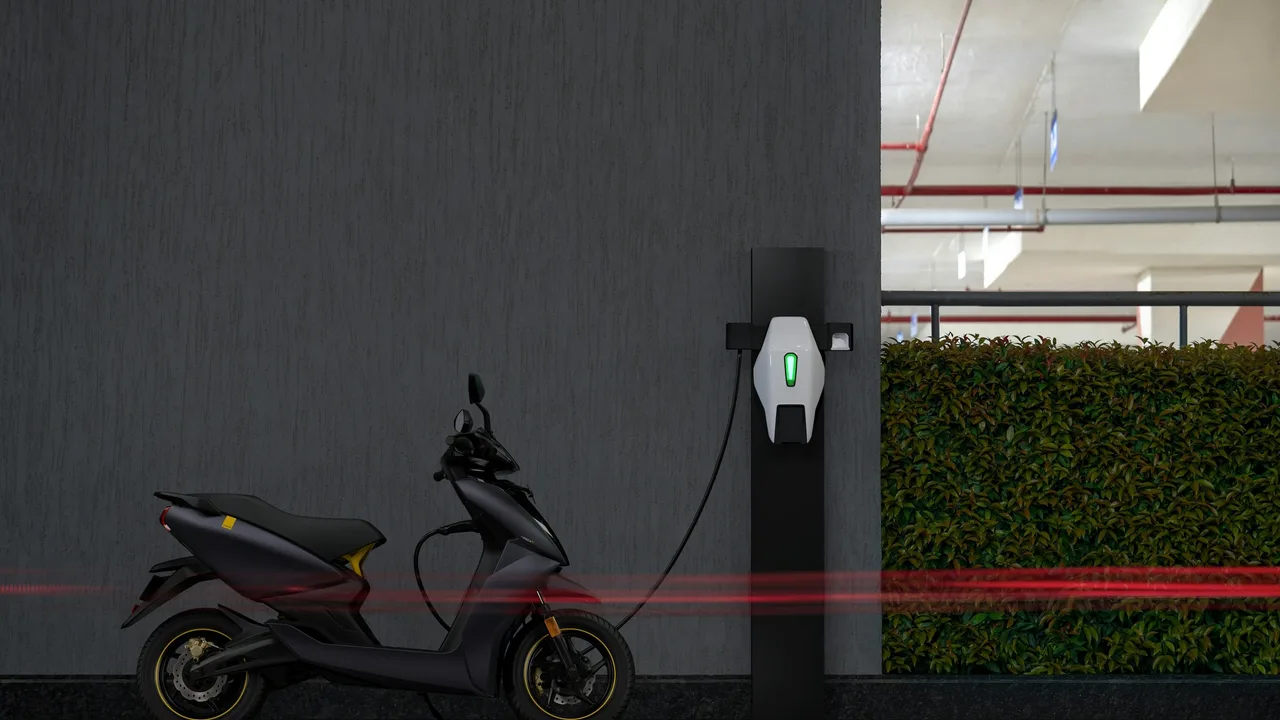
- 02It covers AC and DC charging piles for e-bikes that comply with GB 17761 and their batteries.
- 03Seven basic protections are mandatory — short circuit, overcurrent, input overvoltage, undervoltage, no-load, automatic cut-off when full and a maximum charging time — plus over-temperature protection.
- 04Key values: no-load cut-off within 30 s; full-charge cut-off within 1 hour for AC and 10 minutes for DC; a single session per circuit under 10 hours.
- 05Enclosures and non-metallic parts in electrical circuits must reach flame-retardant class V-0.
Why e-bike charging piles now have a mandatory standard
China has more than 380 million electric bicycles. Charging them safely has become a public-safety issue: product quality of charging piles varied widely, there was no unified mandatory standard, and fires caused by improper charging were frequent. GB 47371-2026 closes that gap.
It was issued on 31 March 2026 and applies from 1 April 2027. The Ministry of Industry and Information Technology (MIIT) and the State Administration for Market Regulation led the work together with the Ministry of Natural Resources, the Ministry of Housing and Urban-Rural Development, the National Energy Administration and the National Fire and Rescue Administration.
Part of a complete system
GB 47371 completes a chain of five mandatory standards — vehicle, battery, charger and charging pile:
| Standard | Covers |
|---|---|
| GB 17761-2024 | Safety of electric bicycles |
| GB 42295-2022 (with Amendment 1) | Electrical safety of electric bicycles |
| GB 43854-2024 | Lithium-ion batteries for electric bicycles |
| GB 42296-2022 (with Amendment 1) | Chargers for electric bicycles |
| GB 47371-2026 | Charging piles for electric bicycles |
Two recommended standards follow: GB/T 36944-2026 for e-bike chargers (reported from 1 December 2026) and GB/T 42236.2-2026 on service information exchange for centralised charging facilities (reported from 1 February 2027).
What GB 47371 requires
The standard has three parts: general requirements, safety protection functions and special requirements for DC charging piles, each with test methods.
Protection functions. Seven basic protections are mandatory: short circuit, overcurrent, input overvoltage, undervoltage, no-load, automatic cut-off when the battery is full and a maximum charging time. Over-temperature protection is mandatory as well.
| Requirement | Value |
|---|---|
| No-load protection (no vehicle, load removed, poor contact) | Output cut within 30 s |
| Cut-off when full — AC charging pile | Within 1 hour |
| Cut-off when full — DC charging pile | Within 10 minutes |
| Maximum single charging session per circuit | Less than 10 hours |
| Flame retardancy of enclosure and non-metallic parts in electrical circuits (except wires) | V-0 |
| Internal and external wiring (except supply cord) | GB/T 18380 series |
DC piles can monitor the battery’s state of charge directly, which is why their full-charge cut-off is much faster. The standard also sets marking requirements and an installation annex covering site selection, layout, electrical conditions and power distribution.
What manufacturers should do before April 2027
- Check each protection function under fault conditions, not only in normal operation: no-load detection with poor contacts, full-charge detection with different battery types, timer behaviour after power interruptions.
- Verify materials. V-0 evidence is needed for the enclosure and every non-metallic part in the electrical circuits; supplier datasheets should match the material actually used.
- Review DC designs separately. The DC requirements are additional; full-charge detection within 10 minutes depends on how the pile reads the battery’s state.
- Plan the installation documentation against the annex — installers and property managers will ask for it.
According to market reports, non-compliant products may no longer be produced, sold or accepted after 1 April 2027.
TSINGHU tests charging equipment in China for electrical safety, protection functions, EMC and environmental conditions, and can plan GB 47371 testing together with the other requirements a charging product faces.
FAQ
Does GB 47371 apply to car charging stations?
No. It covers AC and DC charging piles for electric bicycles that comply with GB 17761 and their batteries. Charging equipment for electric cars falls under the GB/T 18487 and GB/T 20234 series and, since 1 August 2026, CCC certification.
What happens to charging piles already installed?
The standard applies from 1 April 2027 to products placed on the market. Market reports say non-compliant products may then no longer be produced, sold or accepted; the treatment of existing installations is set by local rules.
Is the e-bike charger itself covered?
No. Chargers are covered by GB 42296-2022 and the recommended GB/T 36944-2026. GB 47371 covers the charging pile — the fixed equipment that supplies power to the charger or battery.
Sources
- MIIT: interpretation of GB 47371-2026 Safety technical specification for electric bicycle charging piles
- Sina Tech (8 Sep 2026): mandatory national standard for e-bike charging piles published
- Zhejiang market regulation quality centre: GB 47371-2026 in force from 1 April 2027
- Summary of GB 47371-2026 protection functions and transition
- Overview of the 2026 e-bike national standards and their effective dates
 CertificationChina CQC & CCC