China’s EV charging network passes 24 million points: what the 2026 data shows
By the end of August 2026 China had 24.22 million EV charging points, up 39.6% year on year. Growth is slowing, private chargers dominate and high-power charging is spreading.
- 01End of August 2026: 24.223 million charging points, +39.6% year on year (NEA).
- 02Public 5.160 million, private 19.063 million — about four in five points are private.
- 03Over 180,000 high-power charging connectors were in service by the end of June.
- 04Average public charging power is about 50 kW per connector.
- 05Year-on-year growth eased from 47.8% in February to 39.6% in August.
The numbers
China's National Energy Administration (NEA) publishes charging data every month, counted in charging connectors ("guns") rather than charging posts.
| End of month (2026) | Total points | Year-on-year |
|---|---|---|
| February | 21.010 million | +47.8% |
| April | 21.955 million | +47.4% |
| June | 23.057 million | +43.2% |
| July | 23.683 million | +41.9% |
| August | 24.223 million | +39.6% |
At the end of August, 5.160 million points were public and 19.063 million private. The network grows by roughly half a million points a month.
Three trends behind the totals
Private charging carries the volume
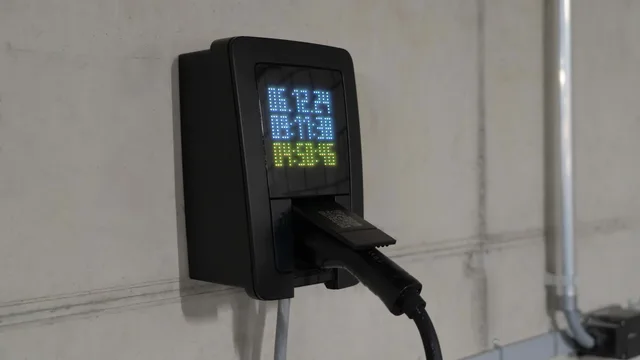
Almost four in five charging points are private, installed at homes and workplaces. Low-power AC chargers therefore make up most of the units shipped, and their safety and EMC performance matters at scale.
Public charging gets more powerful
At the end of July, public chargers had a combined rated power of 255 GW, an average of about 50 kW per connector. By the end of June, more than 180,000 high-power connectors were in service. Liquid-cooled cables, 1000 V vehicle platforms and megawatt-class charging for trucks push test requirements towards higher current, higher voltage and higher temperature.
Growth is slowing, quality is moving up
Growth rates fell steadily through the year. As the network matures, the focus shifts from quantity to reliability, interoperability and safety. Since 1 August 2026, every charger sold in China also needs CCC certification under GB 39752-2024 and GB 44263-2024.
What it means for manufacturers
- Certification is now a market-entry condition. CCC adds type testing and factory inspection to every new model.
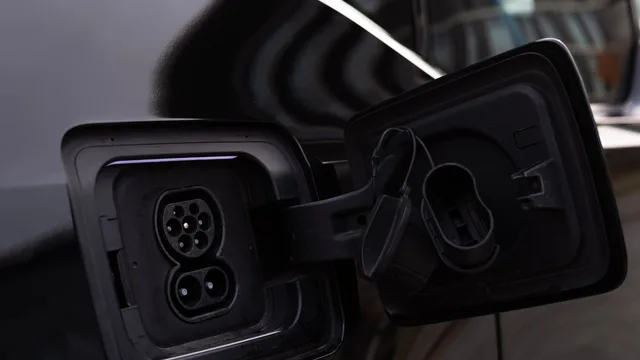
- Interoperability is a competitive factor. Chargers have to work with a growing range of vehicles, from 400 V to 1000 V platforms.
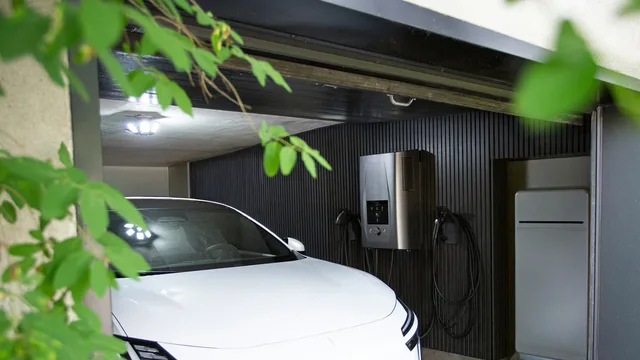
- Integrated sites are growing. Charging hubs increasingly combine PV, storage and charging, which brings grid-connection and energy-management tests into the picture.
- Export markets reuse the work. A well-planned test programme supports CCC, CE, KC and other certificates from one sample set.
Our partner laboratory network tests chargers up to 3.75 MW, including protocol, interoperability, EMC and safety, and integrated PV-storage-charging systems.
FAQ
Does the NEA count charging posts or connectors?
Connectors ("guns"). One charging post can have one or more connectors, so the two figures are not the same.
Why does the private share matter for testing?
Private AC chargers make up most units installed. Their electrical safety, EMC and fault protection affect millions of households.
How often is the data updated?
The NEA publishes the previous month’s figures in the second half of each month.
Sources
 CertificationChina CQC & CCC