Insights
Standards, policy and test know-how for new-energy products.
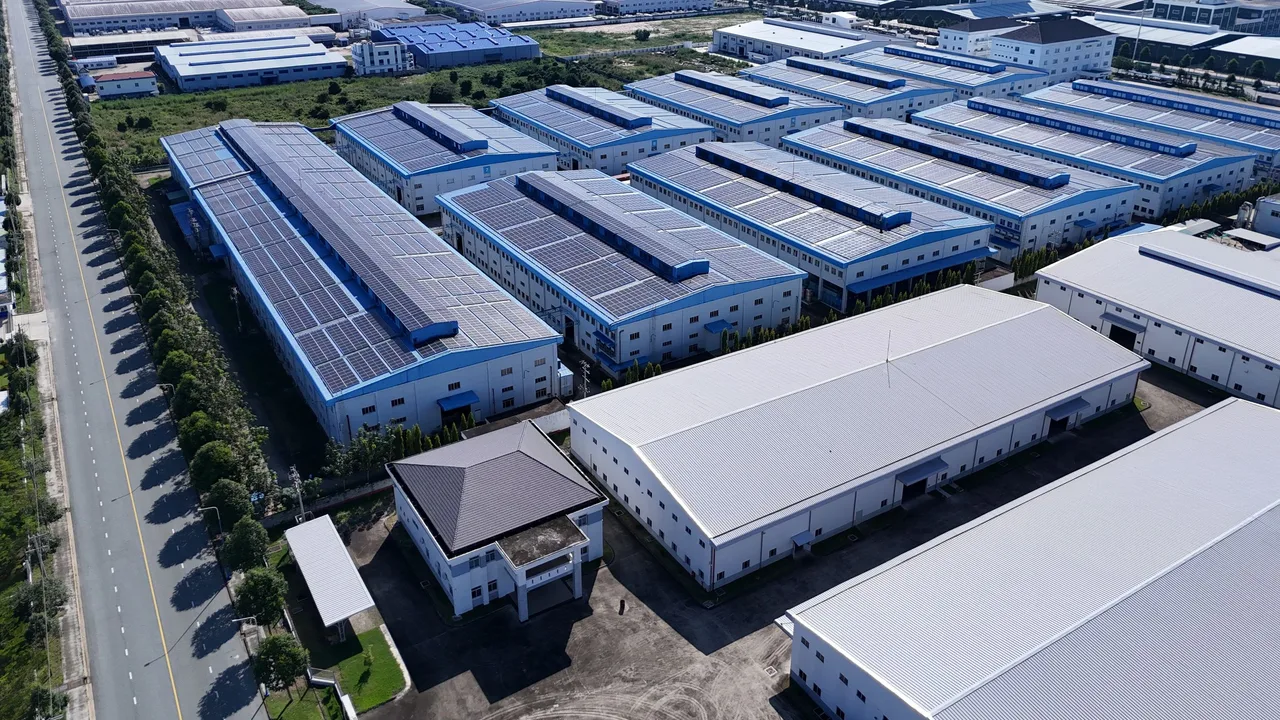 EU Battery Regulation: the dates that matter for storage and EV batteries Labels in 2026, the battery passport in February 2027, due diligence in August 2027, recycled content after that. A dated checklist of Regulation (EU) 2023/1542 for industrial and EV battery makers. Read
 -
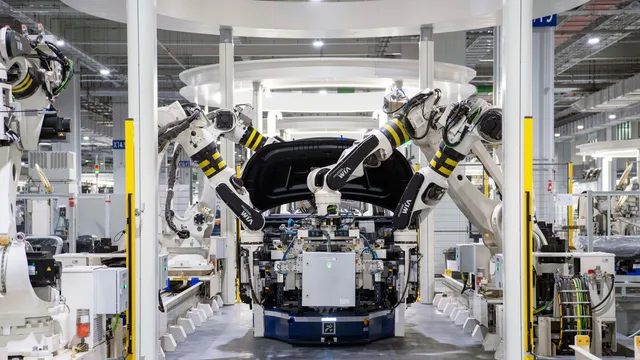 Global EV Outlook 2026: one in four new cars is electric IEA figures for 2025: more than 20 million electric cars sold, Southeast Asia doubling, electric trucks near one in ten. What the numbers mean for charger makers.
 -
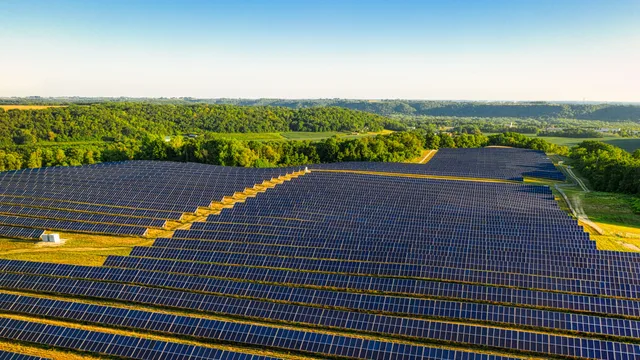 China’s new-type energy storage reached 136 GW at the end of 2025 National Energy Administration figures: 136 GW / 351 GWh installed, up 84% in a year, lithium-ion at 96%, and storage working harder. What the growth means for PCS and battery makers.
 -
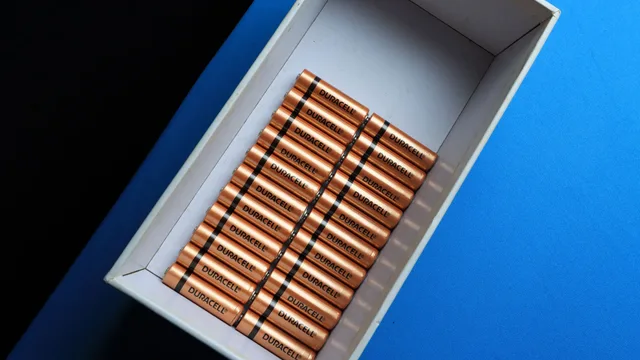 GB 44240-2024: China’s first mandatory safety standard for energy storage batteries Since 1 August 2025, lithium cells and battery packs for energy storage in China must meet a mandatory national standard, including thermal runaway and thermal propagation tests.
 -
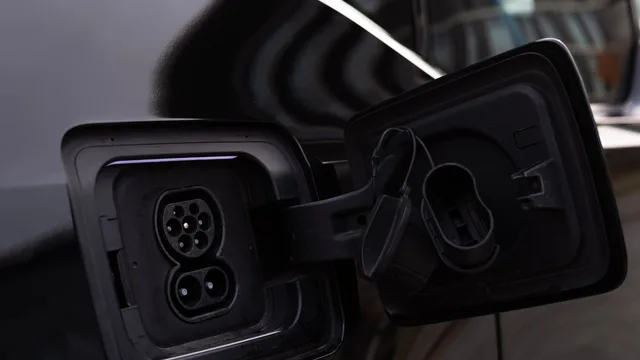 GB/T 20234.4-2023 and GB/T 18487.1-2023: China’s high-power DC charging standards A new connector part for up to 1500 V and 800 A, a revised conductive charging system standard, and a new CQC certification basis. What changed and what chargers need to retest.
 -
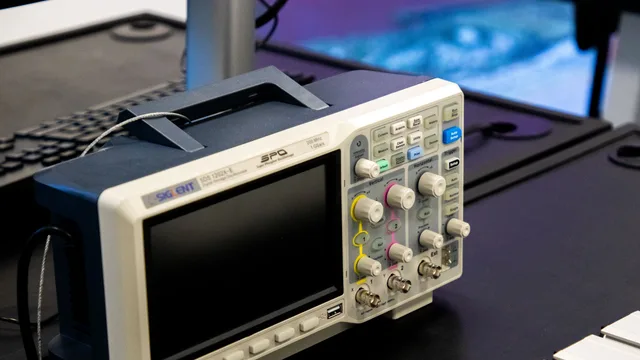 EMC testing for EV chargers: how to prepare and pass the first time EMC is where charger projects most often need a second round. This guide explains the standards, the tests and the preparation that keeps the first round from being a rehearsal.
 -
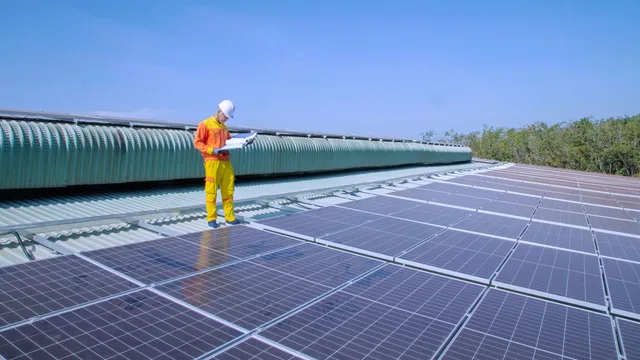 PV inverter grid-connection testing: one product, many grid codes Every market has its own grid code, but the functions being tested are largely the same. This guide maps the main markets and shows how to plan one test programme for several of them.
 -
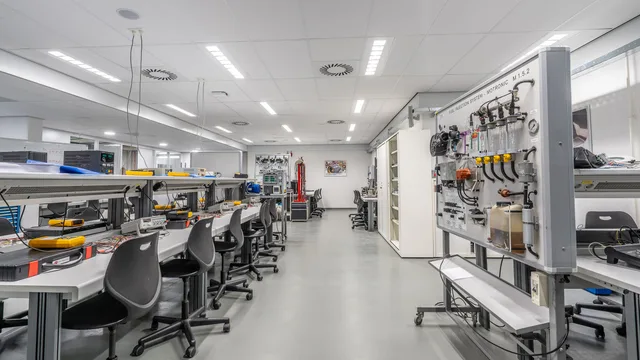 China CCC for EV chargers: GB 39752-2024 and GB 44263-2024 in practice Since 1 August 2026, AC and DC EV supply equipment sold in China needs CCC certification. Testing follows two mandatory national standards.
 -
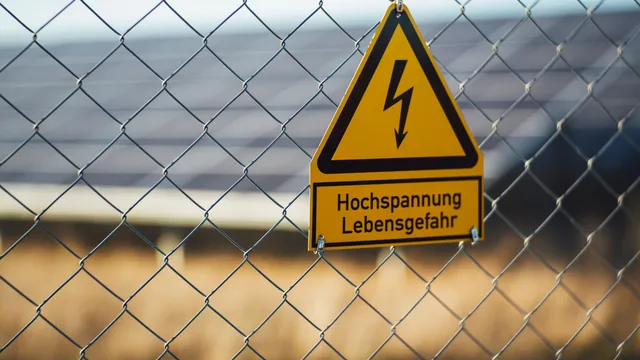 GB 18384-2025 and GB 38031-2025: what changed for EV high-voltage safety Two mandatory Chinese standards took effect on 1 July 2026. Battery packs must now not catch fire or explode after thermal runaway, and vehicles need a physical high-voltage disconnect.
 -
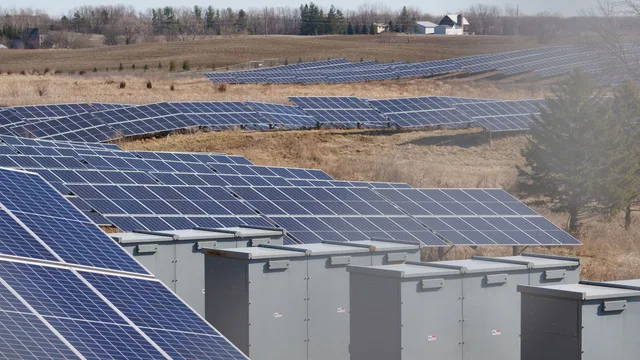 UL 9540 third edition: what energy storage makers need to know The third edition of UL 9540 splits AC and DC energy storage systems, ties capacity limits to UL 9540A fire tests and adds requirements for explosion control, liquid cooling and remote software updates.
 -
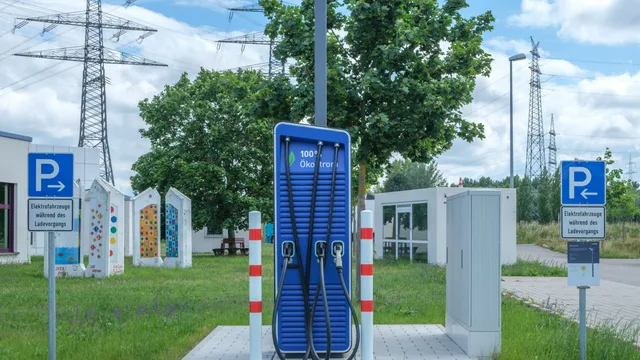 EU AFIR: what public EV chargers must support The Alternative Fuels Infrastructure Regulation sets EU-wide rules for public chargers: ad hoc card payment, transparent pricing, network targets and, through a 2025 delegated act, ISO 15118 communication.
 -
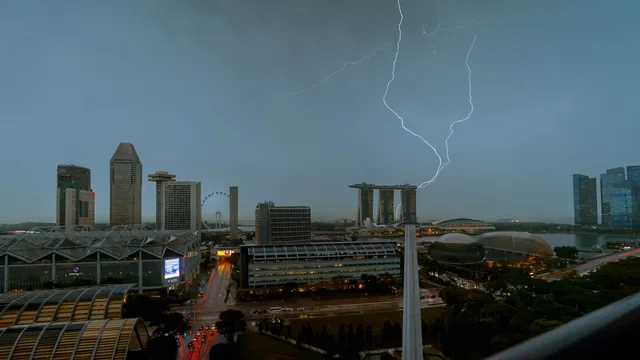 Singapore moves from TR 25 to SS 722: what EV charger suppliers need to do Singapore’s EV charging reference TR 25 became the national standard SS 722 on 1 April 2026. Type approval still accepts TR 25:2022 reports during a two-and-a-half-year transition.
 -
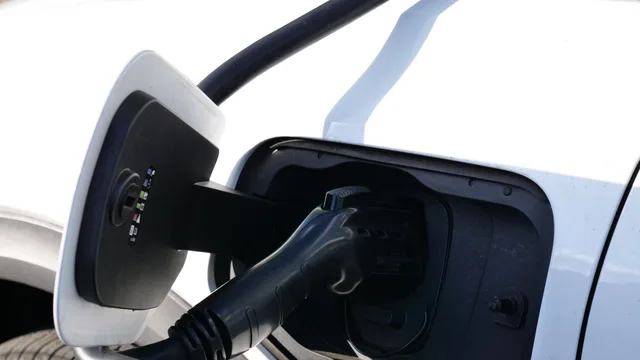 China’s EV charging network passes 24 million points: what the 2026 data shows By the end of August 2026 China had 24.22 million EV charging points, up 39.6% year on year. Growth is slowing, private chargers dominate and high-power charging is spreading.
Tell us the product and the target market.
You get a test plan, timeline and quote within one working day.