China CCC for EV chargers: GB 39752-2024 and GB 44263-2024 in practice
Since 1 August 2026, AC and DC EV supply equipment sold in China needs CCC certification. Testing follows two mandatory national standards.
- 01CCC for EV supply equipment has been mandatory since 1 August 2026.
- 02Scope: AC equipment up to 1000 V and DC equipment up to 1500 V output.
- 03Battery-swap and wireless charging equipment are currently outside the scope.
- 04Testing is based on GB 39752-2024 and GB 44263-2024.
- 05Five designated certification bodies accept applications.
What changed
China's State Administration for Market Regulation (SAMR) placed electric vehicle supply equipment under the China Compulsory Certification (CCC) system. Without a CCC certificate and mark, a charger may no longer leave the factory, be sold, be imported or be used in other business activities.
| Date | Milestone |
|---|---|
| 24 Jul 2024 | GB 39752-2024 and GB 44263-2024 published |
| 1 Mar 2025 | Certification bodies start accepting CCC applications |
| 1 Aug 2025 | Both standards take effect |
| 1 Aug 2026 | CCC becomes mandatory for sale, import and use |
Which products are covered
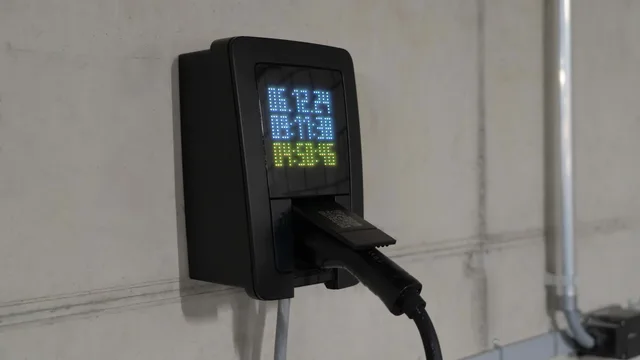
- AC supply equipment (product code 2501): rated output up to 1000 V AC, supplying the vehicle's on-board charger. This includes fixed AC chargers and in-cable control boxes.
- DC supply equipment (product code 2502): rated output up to 1500 V DC, charging the vehicle battery directly.
Battery-swap equipment and wireless charging equipment are not in the current scope.
The two standards behind the certificate
GB 39752-2024, safety requirements for EV supply equipment, covers the charger itself: protection against electric shock, short-circuit protection, fire resistance and the other safety functions of the product.
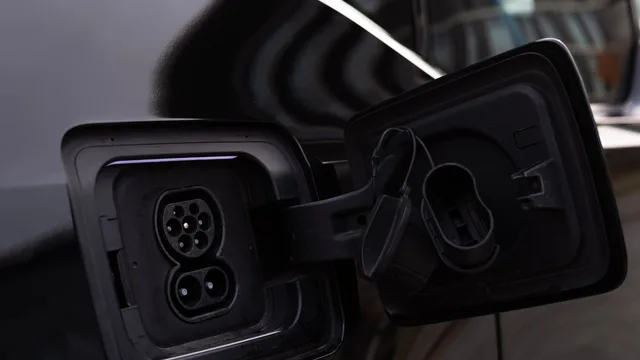
GB 44263-2024, safety requirements for conductive charging systems, covers the charging system as a whole: the charging interface, and the safety of AC and DC charging between vehicle and charger.
Both standards replace earlier recommended standards with mandatory ones. Products that already had a type-test report when the standards took effect were given until the 13th month to comply.
How certification works
CCC follows the usual model: type testing in a designated laboratory, an initial factory inspection, and surveillance after the certificate is issued. In February 2025 the certification authority named five certification bodies: China Quality Certification Centre (CQC), China Certification Centre for Quality Mark (Fangyuan), CVC Testing, CATARC Huacheng Certification and Shanghai Tianwei Certification.
Practical points for manufacturers
- Check every model and variant against the product codes; AC and DC units are certified separately.
- Plan type testing early. Fire-resistance and environmental tests take the longest.
- Keep design, critical components and suppliers stable after certification; changes need to be reported.
- Export versions for other markets (CE, UL, KC) can often reuse much of the same test data.
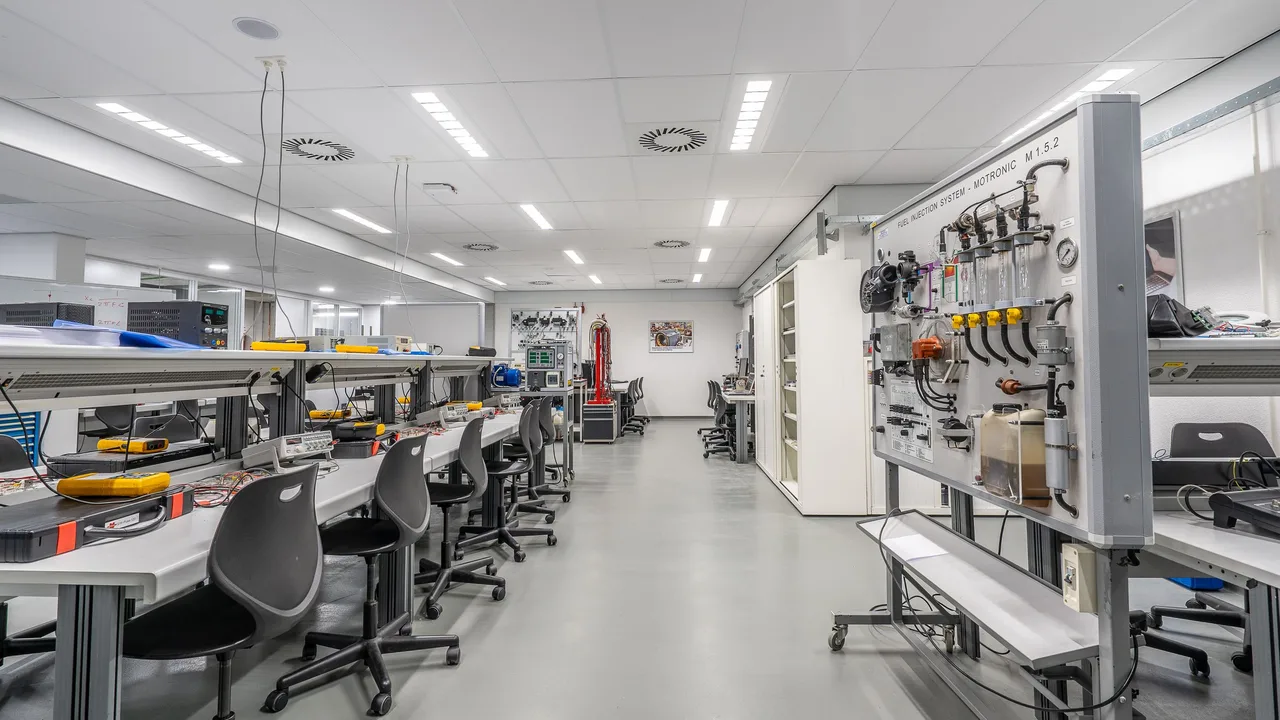
Our partner laboratory network tests chargers to both standards and supports the CQC certification route.
FAQ
Do existing chargers already in operation need CCC?
The requirement applies to equipment leaving the factory, sold, imported or used in business activities from 1 August 2026. Check the status of installed equipment with your certification body.
Is a battery-swap station covered?
No. Battery-swap equipment and wireless charging equipment are outside the current CCC scope.
Can CCC test data be reused for other certificates?
Partly. Many safety and EMC tests overlap with IEC 61851 and CB testing, so a combined test plan saves time and samples.
Sources
 CertificationChina CQC & CCC