Sodium-ion batteries enter grid storage: the 2026 breakthrough and what it means for testing
A 60 GWh supply deal, first system deliveries and two new Chinese national standards have moved sodium-ion from pilot to product in 2026. Where the chemistry stands against LFP, what the new standards test, and what storage system makers need to check.
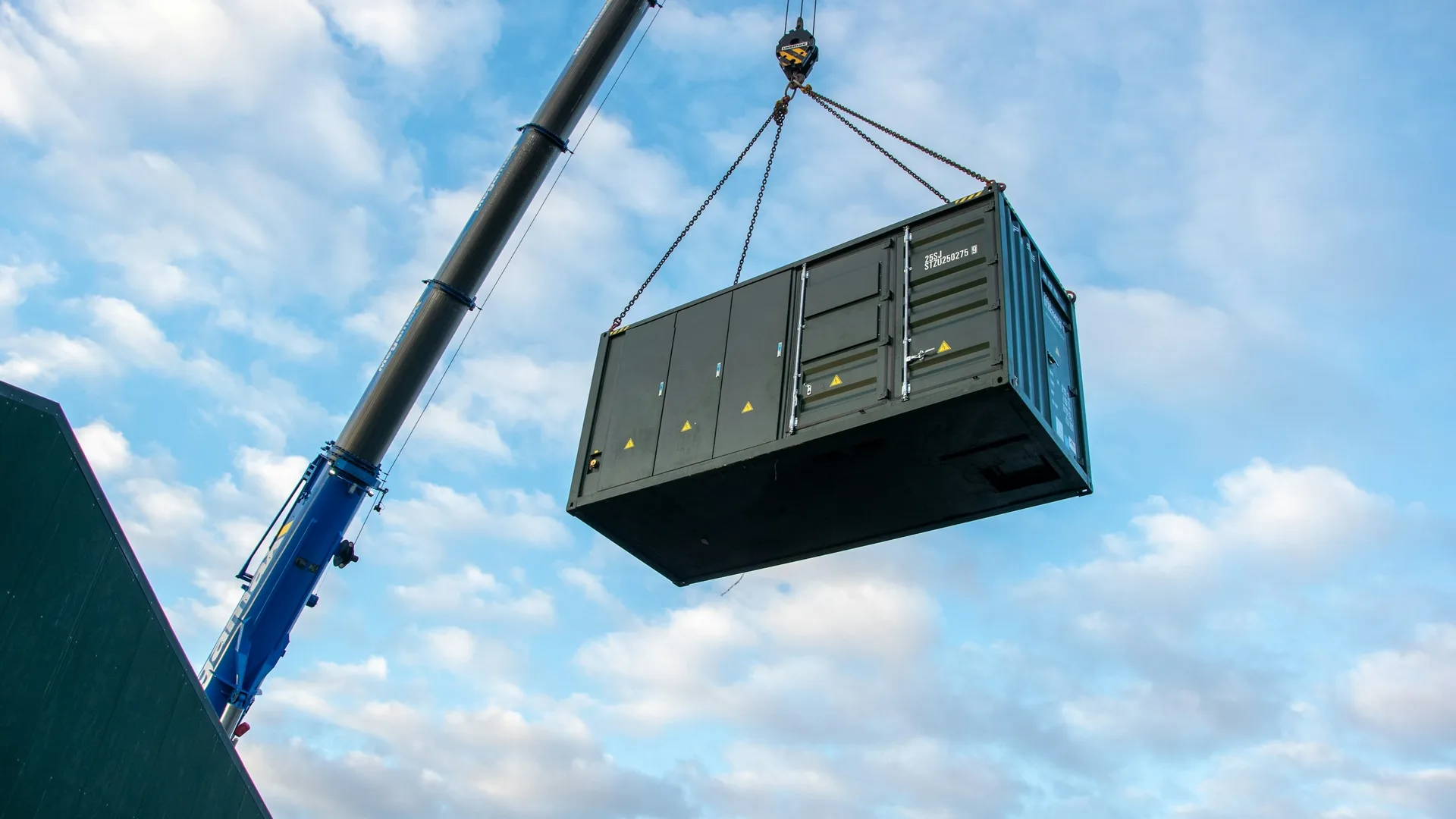
- 01CATL and integrator HyperStrong signed a three-year, 60 GWh sodium-ion supply agreement in April 2026 — the largest sodium-ion order to date.
- 02CATL’s storage cell: 300+ Ah, about 160 Wh/kg, more than 15 000 cycles at 80 % capacity and a range of −40 °C to 70 °C, in the same format as its lithium cells.
- 03China published GB/T 48072-2026 (safety) and GB/T 48098-2026 (technical requirements) for sodium-ion batteries in energy storage on 28 August 2026; both apply from 1 March 2027.
- 04Sodium-ion systems still cost about 10 % more than lithium today; the industry expects cell-cost parity around the end of 2028.
- 05South Korea’s new roadmap targets 220 Wh/kg sodium-ion cells and commercialisation by 2030.
From pilot to product
For years, sodium-ion was the chemistry of announcements. In 2026 it became a purchase order. In April CATL signed a three-year agreement with storage integrator HyperStrong for 60 GWh of sodium-ion batteries — the largest sodium-ion order to date and, by Electrek’s estimate, about half of CATL’s total storage battery shipments in 2025. CATL says it has solved mass production across the whole chain and began delivering sodium-ion storage systems this year.
Others are moving too. In the US, Peak Energy plans to supply Jupiter Power with up to 4.75 GWh of sodium-ion storage by 2030, starting with about 720 MWh in 2027. In Korea, the government’s battery roadmap of 22 September 2026 makes sodium-ion a priority for energy storage, with targets of 160 Wh/kg by 2027 and 220 Wh/kg by 2030.
Why storage, and why now
| Sodium-ion (CATL storage cell, as reported) | LFP storage cells | |
|---|---|---|
| Energy density | about 160 Wh/kg | higher |
| Cycle life | > 15 000 cycles at 80 % capacity | typically 6 000–10 000+ |
| Temperature range | −40 °C to 70 °C | narrower, especially in the cold |
| Raw materials | sodium, no lithium | lithium |
| Cost today | about 10 % above lithium at system level | reference |
Weight matters little in a container on the ground. Cold-weather performance, cycle life and independence from lithium prices matter a lot. China’s import dependence for lithium resources is cited at 72 %, and lithium’s share of China’s new-type storage fell from 97.5 % at the end of 2025 to 94 % in the first half of 2026, according to Tsinghua professor Li Jinghong.
Cost is the open question. A 100 MWh project in Renqiu, Hebei, was reported at around 1 yuan/Wh at system level. Industry expects sodium-ion cells to reach about 0.35 yuan/Wh — parity with lithium — around the end of 2028.
The new national standards
On 28 August 2026 SAMR and SAC published two recommended national standards for sodium-ion batteries in electrical energy storage, both applying from 1 March 2027:
- GB/T 48072-2026 — safety requirements and test methods for cells and battery packs, covering telecom, UPS and emergency power, PV systems, home storage and large-scale storage.
- GB/T 48098-2026 — technical (performance) requirements.
They follow the lithium framework but tighten key tests, according to the China Electronics Standardization Institute: nail penetration goes fully through the cell instead of a shallow puncture, and the drop test uses 1.5 m for cells and 2 m for modules. Performance requirements reported for the technical standard include energy efficiency of at least 92 %, at least 90 % capacity retention after 1 000 cycles and capacity checks at −20 °C, −30 °C and −40 °C. Industry voices expect the standards to become mandatory later; no official decision has been published. Four international standards for sodium-ion batteries are being drafted.
What system makers should check
- Standards route. For China, plan against GB/T 48072/48098 before March 2027. For export markets, sodium-ion projects still go through system-level safety (UL 9540 / UL 9540A in North America) — the fire tests apply to any chemistry.
- Voltage window. Sodium-ion cells have a lower nominal voltage and a wider operating window than LFP. PCS DC input range, BMS limits and pre-charge design have to be checked for the full window, not copied from the lithium version.
- Cold climate claims. Low-temperature capacity and charge acceptance at −20 °C to −40 °C should be measured at system level, including the PCS, before they go into tenders.
- Grid code. The chemistry changes nothing for grid connection: the PCS still needs the grid-code certificate of each market.
TSINGHU tests storage converters and systems up to 2.5 MW in China — including performance across the battery voltage window, climatic tests and grid-code compliance — so sodium-ion systems can be verified with the same evidence chain as lithium ones.
FAQ
Will sodium-ion replace LFP in energy storage?
Not soon. LFP is still around 90 % of storage deployments worldwide. Sodium-ion is gaining a share where cold climate, long cycle life or lithium independence matter, and if costs reach parity around 2028 the share may grow faster.
Are GB/T 48072 and GB/T 48098 mandatory?
They are recommended national standards applying from 1 March 2027. Industry comments expect conversion to mandatory standards, but no official decision has been published.
Does a sodium-ion system need different certification abroad?
The system-level route is the same: safety and fire testing (for example UL 9540 and UL 9540A in the US) and the grid code for the PCS. Cell-level standards for sodium-ion are still being developed internationally.
Sources
- Electrek (27 Apr 2026): CATL signs a 60 GWh sodium-ion storage deal with HyperStrong
- Two national standards for sodium-ion batteries in electrical energy storage published on 28 August 2026, in force 1 March 2027
- 21st Century Business Herald (16 Oct 2026): sodium-ion national standards, costs and applications
- ESS News (29 Sep 2026): South Korea’s battery roadmap shifts to sodium-ion
- Interesting Engineering: Peak Energy and Jupiter Power plan up to 4.75 GWh of sodium-ion storage in the US